
Visitor guide
Edinburgh to Linlithgow: choose your route
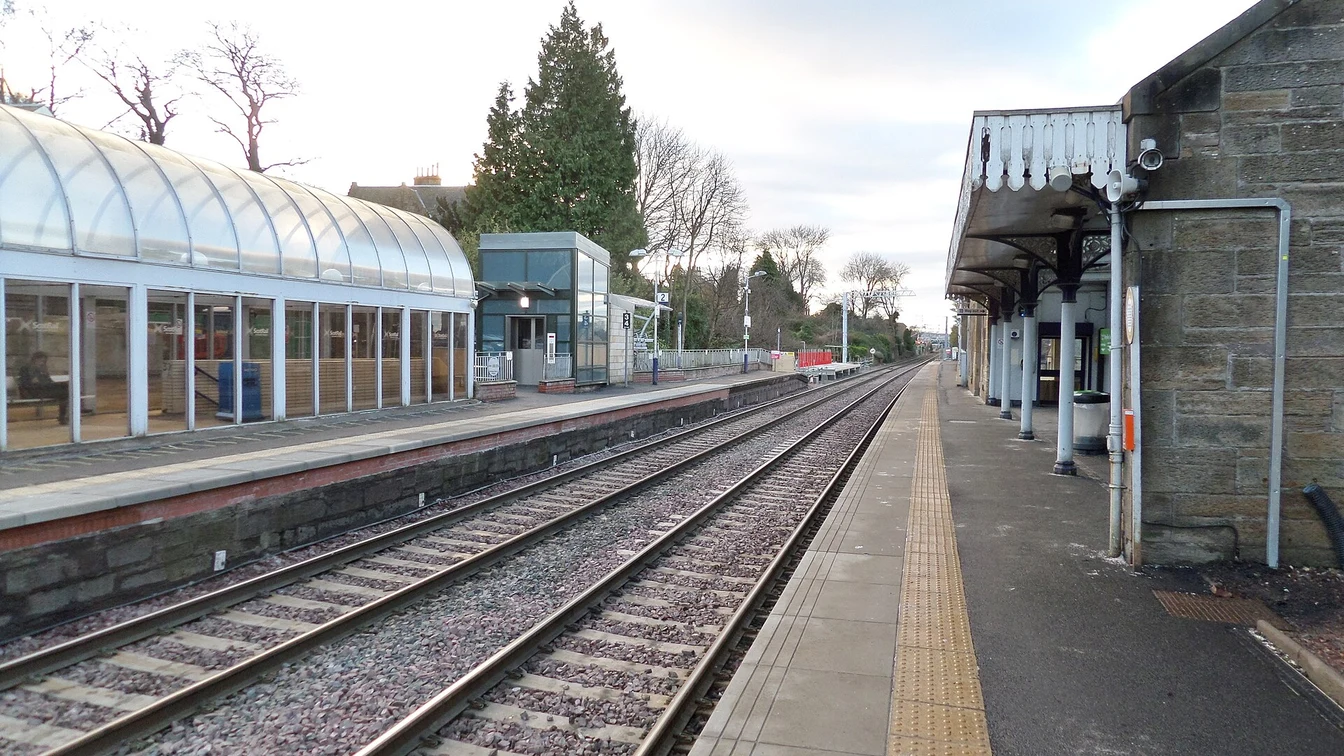

Plan Edinburgh to Linlithgow as one journey.
Linlithgow Palace · Last updated
The short answer
For a central Edinburgh start, check a train to Linlithgow and leave room for the walk to the palace. The X38 is a bus other option, subject to its dated timetable and stops.
Find the detail you need5
Plan Edinburgh to Linlithgow as one journey. Allow time for the train and walk, plus entry slot. Rail is the clearest starting point for a palace-and-loch visit. The bus may suit where you start. A car can help with places beyond the town. Choose the mode that solves your whole day, including the return.
Edinburgh to Linlithgow by rail
The palace operator says regular Edinburgh services reach Linlithgow in less than half an hour. This is a broad journey guide rather than a promise for every departure. An engineering-work day, a replacement bus or a different service can take longer. Use a dated rail search for the actual train.
The Linlithgow station record lists ticket machines. It also lists step-free access to each platform. Platform access doesn't promise that every route to the palace is level, or that the palace’s upper floors suit you. Separate station features, the town walk and the site’s old stairs when checking access.
Read Edinburgh to Linlithgow by train for arrival planning and the return-train guide for the homeward leg. Keep the ticket’s route and date, plus time limits in mind before choosing a later return. A booked site slot and a rail ticket are two bookings.
The bus other option
The palace visitor source names the X38 between Edinburgh and Falkirk. It stops in Linlithgow, with a short walk from the Cross to the palace. Check the bus operator’s current times. Note the direction, boarding stop and day. An old PDF is not proof of today’s service.
The Edinburgh bus guide helps weigh the route with rail. A bus may be easier if you begin near its route, but town-centre traffic and a longer journey can change the trade-off. The main question is whether the route fits your starting point and your return needs.
For travel within and around the town, use local bus planning. For Bo'ness or a possible Blackness connection, use the Bo'ness bus guide. A service to a nearby town is not proof that it stops at the site you want.
Driving and parking
The palace has limited parking, reached through a low outer gate. The team gives the gate height as 2.65 metres and lists it as unsuitable for large vehicles and campervans, plus buses. Don't arrive in a tall vehicle expecting the site entrance to solve parking for you.
Our parking guide separates palace spaces, town-centre limits and station parking. It doesn't promise a space or assume that every public bay allows the length of stay you need. Check signs on arrival and keep a backup that doesn't depend on parking outside a marked bay.
Station parking is listed as free in the rail operator’s record, but a listed space count does not prove a space is free. A car park used by rail passengers may fill early. Using the train for the full journey can avoid that uncertainty.
From arrival to the palace
The palace sits on the town’s loch side, close to the old centre. The rail station and the Cross are useful orientation points. Use the visitor map to see the relationship between the station and town, plus palace, plus canal. It's a local schematic, not live turn-by-turn navigation.
Leave time for crossings, slopes, uneven surfaces and a pause if needed. A “short walk” in a site guide doesn't measure your party’s pace. Check the access source if a step, steep section or toilet location changes whether the plan works.
Keep the return simple
Choose the return before adding another place. Edinburgh to Linlithgow works well as a single-destination day. A second transfer can make it less relaxed. For a trip where transport is the main obstacle, weigh escorted day-trip choices and check what they actually include.
FAQ
Is the train station step-free?
The station record lists step-free access to all platforms. That does not establish the accessibility of every onward street or historic building.
More for this part of your visit
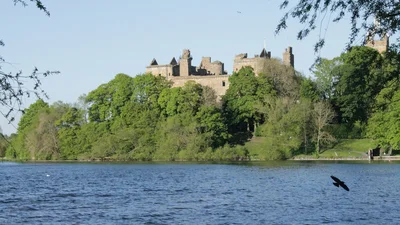
Palace visitor guide
Linlithgow Palace makes a compact day out from Edinburgh: a roofless royal residence, open parkland and a loch-side walk close to the town centre.
Read this guide
Bo’ness bus connection
A Linlithgow to Bo'ness bus can be part of a local visit.
Read this guide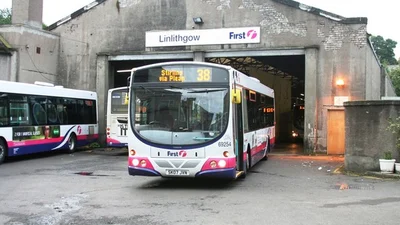
Bus from Edinburgh
An Edinburgh to Linlithgow bus can suit a visitor starting close to the route or wanting another option to the railway.
Read this guide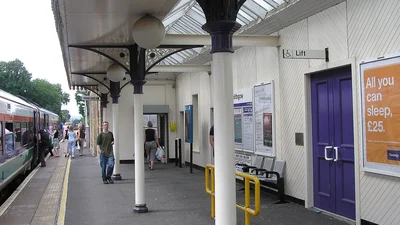
Return to Edinburgh
A train from Linlithgow to Edinburgh can make the return simple.
Read this guide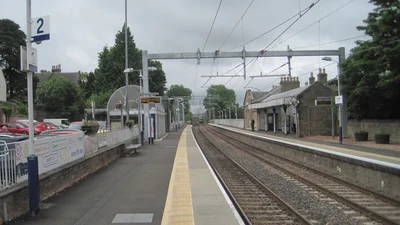
Train from Edinburgh
The Edinburgh to Linlithgow train is a useful route for a palace visit without town-centre parking.
Read this guide
Local buses
Linlithgow buses can help with local connections.
Read this guide
Parking in town
Linlithgow parking includes limited palace spaces, public town car parks and the station car park.
Read this guide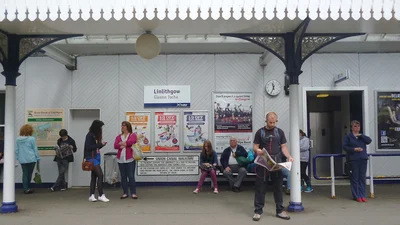
Station parking
Linlithgow station parking is listed as free in the rail operator’s record.
Read this guide